







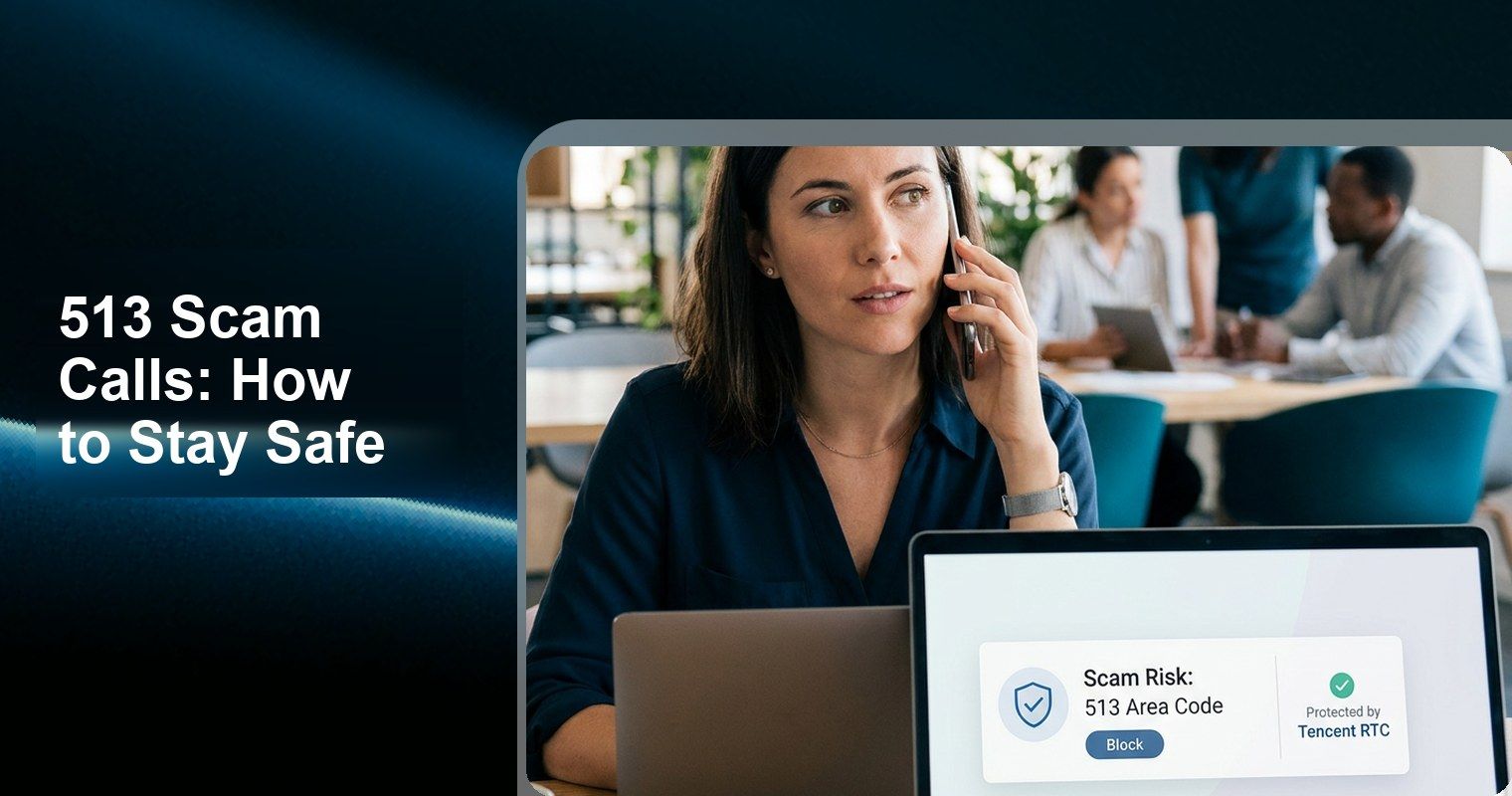
Receiving suspicious calls from 513 area code numbers? You’re not alone. Scammers increasingly use number spoofing to make their calls appear to come from local Cincinnati numbers — tricking both consumers and businesses into answering.
According to the Federal Trade Commission (FTC), Americans lost over $10 billion to phone scams in 2023, with spoofed local numbers being the #1 tactic. This guide helps you identify, block, and protect your business from 513 scam calls.
Why Scammers Use 513 Numbers
The “Neighbor Spoofing” Tactic
Scammers deliberately display local area codes because:
Factor | Impact |
Local numbers get answered | 65-70% answer rate vs 25% for unknown codes |
Trust factor | “Must be someone local — maybe a customer?” |
Bypasses blocking | Most people don’t block their own area code |
Hard to trace | Spoofed numbers aren’t the real caller |
According to the FCC: “Spoofing is when a caller deliberately falsifies the information transmitted to your caller ID display to disguise their identity.”
The caller is NOT actually in Cincinnati — they could be anywhere in the world, using VoIP technology to display a fake 513 number.
Common 513 Scam Call Types
Scam Type | What They Say | Red Flags |
IRS/Tax scam | “You owe back taxes. Pay now or face arrest.” | IRS never calls first; never demands gift cards |
Business listing scam | “Your Google listing will be removed unless you verify now.” | Google doesn’t call businesses this way |
Utility shutoff | “Your Duke Energy bill is overdue. Pay in 1 hour or we disconnect.” | Utilities send written notices first |
Tech support | “We detected a virus on your computer.” | Legitimate companies don’t cold-call |
Extended warranty | “Your vehicle’s warranty is expiring.” | Generic, automated, not from your dealer |
Loan/debt | “You qualify for a $50,000 business loan at 2%.” | Unsolicited loan offers are always scams |
Fake customer | “I want to book 10 appointments and pay by check.” | Overpayment scam targeting service businesses |
How to Identify a 513 Scam Call
Immediate Red Flags
● Urgency/threats — “Act NOW or face consequences”
● Payment via gift cards, wire, or crypto — No legitimate business requests these
● Caller won’t identify themselves clearly — Vague company name or title
● Requests sensitive information — SSN, bank routing numbers, passwords
● Too-good-to-be-true offers — “You’ve won!” or “Free money!”
● Robocall/pre-recorded message — Most legitimate business calls are live
● Caller ID shows a 513 number but claims to be IRS/FBI/Google — These organizations don’t use local numbers
How to Verify a Suspicious 513 Call
1. Don’t engage — Don’t press any buttons or say “yes”
2. Hang up — It’s always safe to end the call
3. Look up the number — Google the 513 number; scam numbers are often reported
4. Call back the official number — If they claim to be Duke Energy, call Duke Energy’s official line
5. Check WhoCalledMe or RoboKiller — Community-reported scam databases
How to Protect Your Business
For Business Owners
Protection Method | Effectiveness | Cost |
Register on Do Not Call list | Low (scammers ignore it) | Free |
Carrier spam blocking (AT&T ActiveArmor, T-Mobile Scam Shield) | Medium | Free-$4/mo |
Third-party blocking app (Nomorobo, RoboKiller, Hiya) | Medium-High | $3-$5/mo |
AI call screening (DeskBuddy, Google Call Screen) | High | $0-$40/mo |
Staff training | Medium | Free |
AI Call Screening: The Best Business Protection
An AI answering service like DeskBuddy acts as a first line of defense:
1. AI answers every call — Scammers reach AI, not you or your staff
2. AI identifies intent — Legitimate customer calls get booked; spam gets filtered
3. Scammers hang up on AI — Most robocall systems disconnect when they detect non-human interaction
4. No personal information exposed — AI doesn’t give out SSNs, bank details, or passwords
5. Call recording — Every interaction documented for reporting if needed
How to Report 513 Scam Calls
Where to Report | Link | What They Do |
FTC | Federal database; drives enforcement | |
FCC | Telecom regulation | |
Ohio Attorney General | State-level enforcement | |
Do Not Call Registry | Report violations | |
Your carrier | Dial 7726 (SPAM) | Carrier-level blocking |
Frequently Asked Questions
Is every call from 513 a scam?
No. 513 is a legitimate area code serving Cincinnati, Ohio. Many real businesses and customers use 513 numbers. Only suspicious calls with red flags (urgency, threats, payment demands) should be treated as potential scams.
Can scammers see that I answered?
Yes. Answering confirms your number is active, which can lead to more scam calls. If you suspect spam, let it go to voicemail — or better, let an AI answering service screen it for you.
My business 513 number is getting spoofed — what can I do?
If scammers are displaying YOUR 513 number as their caller ID, you can:
1. Report to FCC
2. Add a voicemail message noting your legitimate identity
3. Wait — spoofing campaigns typically move to new numbers within days
4. Register with free caller registry to establish legitimacy
Will blocking 513 numbers stop the scams?
No — scammers rotate through thousands of spoofed numbers. Blocking individual numbers is ineffective. AI-based screening or carrier-level spam detection is more effective.
Conclusion
513 scam calls exploit the trust associated with local Cincinnati numbers. The best protection for businesses is proactive: use AI call screening to filter scammers before they reach you, train staff to recognize red flags, and report suspicious calls to the FTC.
For Cincinnati businesses wanting both local presence AND scam protection, an AI answering service with a dedicated 513 number gives you the best of both worlds.