







Designing the Perfect Chatbot User Interface: UX Best Practices and Conversational AI Trends
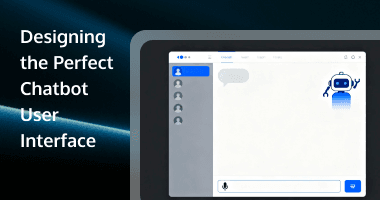
A successful chatbot requires more than intelligent AI; it needs an intuitive User Interface (UI) and thoughtful User Experience (UX) design. This report outlines critical conversational design practices: establishing a professional brand persona, prioritizing conversational transparency (never pretending to be human), and ensuring high responsiveness across all devices. The UI dictates how the dialogue is displayed, while the UX determines what the bot says and why. By leveraging customizable component libraries, such as those compatible with Tencent RTC, developers can swiftly implement interfaces that are easy to navigate, align with brand standards, and provide the hybrid interaction options (text input and buttons) that optimize user flow.
Chatbot design is a multidisciplinary field, merging traditional UI/UX design, copywriting, and conversational AI. The goal is to maximize user satisfaction and build trust with the brand the chatbot represents.
Conversational Design Best Practices: Persona, Transparency, and Flow
A crucial starting point is defining the chatbot's persona and tone, ensuring it uses professional, conversational language aligned with the brand identity. However, designers must adhere to the principle of conversational transparency: the chatbot must never pretend to be a human agent. Explicitly identifying the system as an AI or chatbot manages user expectations, preventing frustration when the system cannot handle complex or unexpected queries.
Furthermore, the conversational flow must prioritize relevance and context. Responses must acknowledge what the user has said previously, ensuring continuity and avoiding blunt changes of subject or "forgetting" earlier information. An interaction design should align with user objectives, offering relevant solutions with minimal effort.
UI Components for Hybrid Interaction (Buttons vs. Free Text)
While the chatbot’s logic (UX) dictates what questions are asked, the UI design determines how the user interacts (typing vs. selection). The most effective interfaces utilize a hybrid approach, combining free-text input (for natural conversation and detail) with predefined buttons (quick replies, carousels, or dropdowns). This blended model guides users through intuitive flows, helping to manage complex choices efficiently and identifying potential sticking points where users might require escalation to a human agent.
The UI design must also incorporate visuals, such as clean backgrounds or relevant emojis, which enhance the quality and natural feel of the interaction.
Optimizing the Chatbot UX for Mobile and Accessibility
A foundational requirement for any chatbot UI is responsiveness. The interface must offer a consistent, usable experience regardless of the device—from large desktop screens to small mobile devices. Optimization for the end-user means ensuring that the design is simple to navigate and provides clear instructions, even for those with limited technical knowledge.
Finally, the UI serves as an extension of the brand. Thoughtful construction of elements, from colors and fonts to the avatar, must reflect the brand's style. Platforms compatible with TRTC's SDKs offer the high level of theming and customization necessary to quickly align the interface with brand standards, minimizing the risk of the chatbot feeling like a generic, unintegrated third-party tool.
Proposed Q&A
Q: Should a chatbot use buttons or rely solely on free text input?
A: The best practice is to use a hybrid model, mixing free-text input for flexibility with predefined buttons or options to efficiently guide the user through structured flows and simplify complex steps.
Q: How does conversational design differ from traditional UI/UX design?
A: Traditional UI design focuses on visual display and navigation. Conversational design focuses on the dialogue structure and flow (the what and why), ensuring the interaction feels natural and relevant, merging concepts from copywriting and AI.
Q: What is the purpose of conversational transparency in a chatbot?
A: Transparency requires the chatbot to explicitly identify itself as an AI system. This manages user expectations, builds trust, and mitigates frustration that arises when users mistakenly assume they are talking to a human agent.
Q: How can I ensure my chatbot UI is responsive on small mobile screens?
A: The chatbot interface must be designed to adapt across platforms and devices, prioritizing simplicity, clear instructions, and minimal visual clutter for a consistent experience on smaller screens.
Q: Why should a chatbot always acknowledge what the user has said before responding?
A: Acknowledging previous input maintains conversation context and relevancy, which is crucial because users expect to feel understood, much like in human-human conversation, preventing the bot from seeming like an "auto-machine".