






The Evolution of Live Chatting Apps: Key Features, Monetization Trends, and Global Scale
The modern live chatting application landscape is dominated by giants like WhatsApp (2 billion MAUs) and WeChat, setting extremely high user expectations for feature parity. Core requirements now extend beyond text to include mandatory voice and group video calling, rich media sharing, and features like live location sharing. Monetization is shifting from advertising to sustainable, value-driven models such as subscriptions for premium features and API access for businesses. This analysis explores these critical market trends, demonstrating how Tencent RTC provides the comprehensive SDK and infrastructure required to achieve immediate feature parity and capitalize on advanced B2B and consumer monetization strategies.
Global Market Review: Feature Parity and Competitive Landscape
The global landscape of live chatting apps is defined by massive scale. WhatsApp leads with 2 billion monthly active users (MAUs), followed by WeChat (1.34 billion) and Facebook Messenger (979 million). These dominant players establish universal expectations for the functionality of any new or integrating communication solution.
Core feature parity is essential. Users now take for granted features that were once complex engineering challenges: one-on-one and group messaging, reliable synchronization across multiple devices, support for diverse message types (rich media, files), and instant push notifications. Failure to meet these baseline expectations leads to rapid user dissatisfaction and product failure.
Advanced Features: Geolocation Sharing, Rich Media, and Push Notifications
Modern live chatting applications serve highly diverse user needs, necessitating advanced, real-time capabilities:
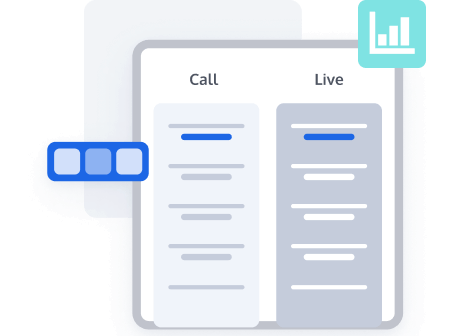
Voice and Video Calls: Chat applications are increasingly replacing traditional telecommunication services. Integrated voice and video calls—including crucial group call functionality—are now considered mandatory, often required at the Minimum Viable Product (MVP) stage. These features rely heavily on low-latency RTC technologies like WebRTC.
Geolocation Sharing: Live location sharing is a key feature in modern apps, used for social coordination and, for businesses, enable contextual marketing opportunities.
Real-Time Data Streams: Beyond media, applications must efficiently manage event-driven data, such as typing indicators and read receipts, to maintain a seamless, interactive experience.
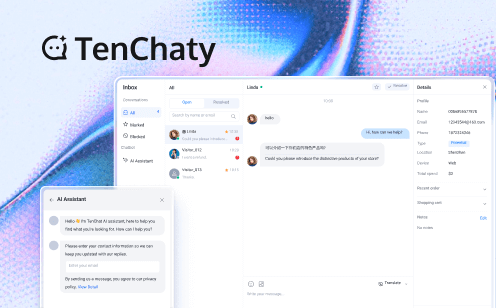
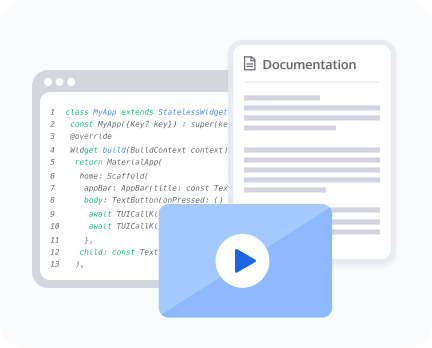
Tencent RTC is positioned to accelerate time-to-market by providing these complex features—voice, video, rich media handling, and persistent data streaming—through readily available SDKs, ensuring developers do not spend months developing features that users already expect.
Strategic Monetization Models: Subscriptions, IAP, and API Access
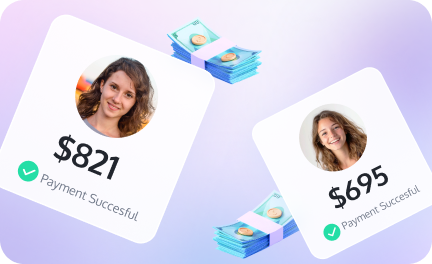
The monetization of live chatting apps has evolved, moving beyond simple advertising into value-based models that offer more predictable and stable revenue streams. Key strategies include:
Paid Upgrades and Premium Features: Offering users the option to purchase enhancements, such as an ad-free experience, expanded storage capacity, or exclusive chat communities. Telegram, for example, surpassed $1 billion in total revenue in 2024, driven partially by premium offerings.
In-App Purchases (IAP): Selling consumables (like stickers or tokens) or non-consumables (permanent features). Subscriptions, which offer continuous content or feature delivery, are particularly effective, sometimes accounting for nearly half of revenue within six months of launch when personalized.
API Access for Businesses: This B2B model provides businesses with programmatic access to the platform's messaging capabilities, allowing them to integrate high-volume customer service or sales tools. This generates high-value, recurring revenue streams.
TRTC's platform supports developers by offering the necessary integration points and flexible architecture to build and implement these diverse monetization strategies, including facilitating recurring payments and micropayments via its billing APIs.
Proposed Q&A
Q: What are the most successful monetization models for consumer live chatting apps?
A: Successful models include subscriptions for premium, ad-free features, in-app purchases (IAP) for digital goods or enhanced functionality, and charging businesses for API access.
Q: How can a messaging app integrate real-time geolocation sharing securely?
A: Geolocation requires integration with map APIs and real-time data streams, using secure encryption channels to protect sensitive location data and respecting user privacy controls.
Q: What core feature of WhatsApp's architecture is responsible for its high fault tolerance?
A: The use of the Erlang programming language and its BEAM VM, which employs lightweight, memory-isolated processes that enable self-healing and high concurrency, ensuring system resilience even under failure.
Q: What is the estimated time saving realized by using a commercial Chat SDK?
A: Using an SDK can significantly reduce development time and cost, with some estimates suggesting a reduction in time-to-market by months compared to building complex chat features from scratch.
Q: How does TRTC support implementing in-app purchases for premium features?
A: TRTC provides the flexible architecture and necessary API integration points to allow developers to define billing models and implement micropayments or recurring subscriptions for premium chat features.