









In the last decade, theological education has undergone a Reformation of its own—a digital one. The days when studying theology required uprooting your family to move to a physical seminary campus are fading. Today, online theology courses offer a level of depth, rigor, and community that rivals traditional institutions, democratizing access to biblical literacy and ministry training.
Whether you are a layperson seeking to understand the Scriptures better, a bi-vocational pastor needing flexible training, or an aspiring academic pursuing a PhD, the internet has a solution. However, the sheer volume of options—ranging from free YouTube playlists to fully accredited $40,000 Master's degrees—can be paralyzed.
This comprehensive guide acts as your navigator through the digital landscape of theological education. We will dissect the best platforms, explain the crucial nuances of accreditation, and even explore how modern technology, like Chat and real-time video, is reshaping how we disciple nations.
1. Understanding the Landscape of Online Theological Education
Before diving into specific courses, it is vital to understand the ecosystem. Online theological education is not a monolith; it falls into three distinct categories, each serving a different purpose.
The Three Tiers of Digital Theology
1. Massive Open Online Courses (MOOCs) & Audit Classes:
* Best for: Personal enrichment, Sunday school teachers, and curious skeptics.
* Cost: Free to Low Cost ($0 - $50).
* Credential: None or Certificate of Completion.
* Format: Asynchronous video lectures, automated quizzes, and peer-graded assignments.
2. Certificate & Diploma Programs:
* Best for: Church staff, lay elders, and ministry leaders who need structured training but not a full degree.
* Cost: Mid-range ($500 - $3,000).
* Credential: Professional Certificate (often non-accredited but recognized by churches).
* Format: Structured modules, required reading, and instructor feedback.
3. Accredited Degree Programs (B.A., M.Div., Th.M., D.Min):
* Best for: Those seeking ordination, professional chaplaincy, or academic careers.
* Cost: High ($10,000 - $50,000+).
* Credential: Regionally or Nationally accredited degree.
* Format: Synchronous seminars, rigorous writing requirements, capstone projects, and practicums.
Synchronous vs. Asynchronous: What fits your life?
One of the first choices you must make is regarding time.
● Asynchronous Learning: This is the "Netflix model." You watch lectures, read texts, and post on discussion boards whenever you have time. This offers maximum flexibility but requires high self-discipline.
● Synchronous Learning: This replicates the classroom. You log in at a specific time (e.g., Tuesdays at 7 PM EST) for a live video lecture and Chat with professors and peers. This provides accountability and richer interaction but lacks flexibility.
2. Accreditation and Credibility: What You Must Know
If you are taking courses for personal growth, accreditation matters little. However, if you plan to use your education for ordination or transfer credits later, accreditation is everything. In the theology world, it is complex.
Regional Accreditation
This is the "Gold Standard" in the United States (e.g., SACS, NECHE). If a school has regional accreditation, your credits are more likely to transfer to secular universities or other seminaries.
Example*: Liberty University, Fuller Theological Seminary.
National Accreditation
These agencies focuses specifically on religious or trade schools. While legitimate, credits from these schools often do not transfer to regionally accredited institutions.
Example*: TRACS (Transnational Association of Christian Colleges and Schools).
The ATS Factor (Association of Theological Schools)
For graduate degrees (M.Div, Th.M.), look for ATS accreditation. The ATS is the premier accrediting body for seminaries in North America. An online M.Div from an ATS-accredited school ensures that the curriculum meets the rigorous standards required for pastoral competency.
Pro-Tip: Always check if a school's online program is fully accredited. Some institutions have accredited campus programs but unaccredited online offerings, though this is becoming rare.
3. Top Free Online Theology Courses (Audit & Certificate)
The democratization of theology means you can now sit under world-class scholars without paying tuition. Here are the elite sources for free education.
Dallas Theological Seminary (DTS) Free Courses
DTS is a heavyweight in the dispensational tradition. They have aggressively moved into the free online space.
Top Course: The Story of Scripture*. A broad overview of the biblical narrative.
● Format: High-quality video production, downloadable workbooks.
● Best For: Understanding the "Big Picture" of the Bible.
BiblicalTraining.org
This is perhaps the hidden gem of the internet. It aggregates courses from top professors across different seminaries (Gordon-Conwell, Southern Baptist, etc.).
The "Seminary in a Box": You can take full graduate-level sequences (e.g., New Testament History* by Dr. Craig Blomberg) for free.
● Platform Features: Audio-centric (great for commuters), with transcripts and outlines.
The University Giants: Coursera & edX
Secular and private universities host theology courses here. While often more academic or historical in tone rather than confessional, they are rigorous.
Yale University (Coursera): Journey of the Universe or New Testament History*.
Harvard University (edX): Christianity Through Its Scriptures*.
● Warning: These courses often approach theology from a "Religious Studies" perspective (historical/critical) rather than a "Confessional" perspective (faith-based).
4. Best Accredited Online Theology Degree Programs
If you are ready to invest in a career in ministry, these programs represent the pinnacle of online theological education.
Bachelor’s Degrees: Building the Foundation
1. Moody Bible Institute Online:
* Focus: Practical ministry and biblical exposition.
* Vibe: Deeply evangelical, mission-focused.
* Tech: Uses Blackboard LMS; strong student forums.
2. Liberty University School of Divinity:
* Focus: Broad market, very flexible.
* Vibe: Conservative but accessible to many denominations.
* Volume: They offer almost every specialization imaginable, from Apologetics to Youth Ministry.
The Online Master of Divinity (M.Div)
The M.Div is the standard degree for pastors. Formerly, it required 3 years on campus. Now, it is fully online.
1. Fuller Theological Seminary:
* Innovation: Their "Fuller Live" and online components are industry leaders.
* Global Classroom: You will likely be in Chat groups with students from Korea, Brazil, and Europe.
2. The Southern Baptist Theological Seminary (SBTS):
* Rigor: rigorous academic standards.
* Hybrid: Offers "hybrid" intensives where you visit campus for one week, then finish online.
Doctorate Options (D.Min & PhD)
Yes, you can now earn a doctorate online.
● Doctor of Ministry (D.Min): Practically oriented. Most programs are hybrid (online + 1-2 week residencies).
● PhD: Very rare online due to research requirements, but schools like Faulkner University offer a fully online PhD in Biblical Studies using extensive digital library access.
5. Specialized Niche Courses by Denomination
Theology is specific. A Presbyterian might not want a Pentecostal systematic theology course. Here is how to find your tribe online.
Reformed & Presbyterian
● Westminster Theological Seminary: Known for presuppositional apologetics and rigorous Greek/Hebrew. Their online platform is robust.
● Ligonier Ministries (Connect): While not a seminary, their certificate programs offer deep Reformed theology at a low monthly cost.
Catholic & Orthodox
● Franciscan University of Steubenville: The leader in faithful Catholic online education. Their Catechetics program is world-renowned.
● Institute of Catholic Culture: Offers incredible free webinars and long-form courses.
Pentecostal & Charismatic
● The King’s University (Gateway): founded by Jack Hayford, offering Spirit-filled theological training online.
● Oral Roberts University: Offers modular online programs focusing on Holy Spirit empowerment in ministry.
6. The Technology of Online Learning: How Virtual Seminaries Work
Understanding the tech stack will help you succeed. Online theology isn't just reading PDFs; it is an immersive experience.
The Learning Management System (LMS)
Most schools use Canvas, Blackboard, or Moodle. This is your hub.
● Dashboard: Where you see assignments and grades.
● Discussion Boards: The asynchronous "classroom" where you debate theological points.
● Pro-Tip: Learn to navigate the "Modules" view, as theology professors often organize content chronologically (e.g., "Week 1: Pentateuch").
Digital Libraries: The Scholar's Tool
You cannot do theology without books, but you cannot buy a 10,000-volume library. Enter Logos Bible Software and Accordance.
● Integration: Top seminaries provide students with a license to digital libraries.
● Search: You can search "Grace" across 500 commentaries in seconds. This is a distinct advantage over physical libraries.
The "Seminary Common Room" Problem
The biggest weakness of online learning is the lack of hallway conversations.
● Solution: Proactive students create WhatsApp or Chat groups.
● Virtual Chapels: Many schools now stream chapel services and hold "Virtual Coffee Hours" using video conferencing tools.
7. Choosing the Right Program: Curriculum, Denomination, and Cost
Curriculum Check: Systematic vs. Biblical Theology
● Systematic Theology: Organizes the Bible by topics (God, Sin, Salvation). Good for debaters and doctrinal clarity.
● Biblical Theology: Traces themes through the timeline of Scripture (Creation -> Fall -> Redemption). Good for preachers and storytellers.
● Ensure your chosen course balances both.
Financial Aid and Scholarships
● Church Matching: Many seminaries will match whatever your local church contributes to your tuition.
● Denominational Grants: If you attend a school within your denomination (e.g., a Baptist at a Baptist seminary), tuition is often 50% lower.
8. Career Paths and Ministry Opportunities Post-Graduation
What can you do with an online theology certificate or degree?
1. Bi-Vocational Pastoring: Keep your day job while planting a church. Online training fits this schedule perfectly.
2. Parachurch Ministries: Non-profits often value the specialized certificates (e.g., "Urban Ministry" or "Non-Profit Management") offered by online seminaries.
3. Content Creation: Theological YouTubers and Podcasters are a growing demographic. Formal training gives your content authority and depth.
9. Enhancing Theological Education with Real-Time Communication
The future of online theology isn't static video; it is Real-Time Communication (RTC). As educational platforms evolve, the ability to debate doctrine, pray together, and learn Hebrew pronunciation requires high-fidelity interaction.
If you are building an EdTech platform for theology or a church-based learning management system, integrating robust communication tools is non-negotiable. This is where Tencent RTC shines.
Transforming the Virtual Seminary with Tencent RTC
1. High-Quality Video Conferencing for Seminars
Theology relies on dialectic—discussion and debate. Tencent RTC's Video Call capabilities allow for low-latency, high-definition seminars where professors can see student reactions in real-time. The stability of the connection ensures that a passionate point about Eschatology isn't lost to buffering.
2. Live Streaming Chapels and Guest Lectures
Seminaries thrive on guest speakers. Using Tencent RTC's Live Streaming SDK, institutions can broadcast lectures to thousands of students globally with sub-second latency, allowing remote students to feel present in the auditorium.
3. In-Class Chat and Q&A
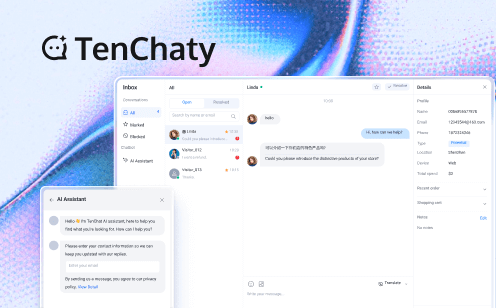
During a live lecture, students often have immediate questions. Tencent RTC's Chat (Instant Messaging) allows for persistent, rich-text conversations alongside the video feed. Students can share scripture references, Greek parsing, or theological counter-points without interrupting the speaker.
4. Global Accessibility
Theology is global. Tencent RTC's massive global infrastructure ensures that a student in rural Africa has the same quality of connection as a student in New York, democratizing access to high-level education.
Recommended Products for EdTech Developers:
● Video Call: For small group Greek/Hebrew recitation and seminars.
● Live Streaming: For chapel services and major keynote lectures.
● Chat (IM): For student community groups, prayer chains, and classroom interaction.
10. Frequently Asked Questions
Q: How do I participate in group discussions if I'm in a different time zone?
A: Most platforms use asynchronous forums, but for live interaction, developers can integrate Tencent RTC's Chat SDK to create persistent chat rooms that store message history. This allows you to read and reply to the "live" conversation whenever you wake up, keeping the community continuity intact.
Q: Can I really learn biblical languages (Greek/Hebrew) online?
A: Yes, but it requires audio precision. Platforms utilizing Tencent RTC's Audio/Video solutions provide high-fidelity sound, which is crucial for hearing the subtle nuances in pronunciation of ancient languages that standard compression might miss.
Q: What if my internet connection is unstable during a live theology exam or lecture?
A: This is a common fear. However, educational platforms built with Tencent RTC benefit from advanced packet loss concealment and adaptive bitrate technologies, ensuring that your video and audio remain clear even if your network conditions fluctuate.
Q: How do online seminaries facilitate private spiritual counseling?
A: Pastoral care is sensitive. Schools can use Tencent RTC's Video Call API to create secure, end-to-end encrypted 1-on-1 rooms. This ensures that confidential spiritual conversations between a student and their mentor remain private and secure.
Q: Is it possible to host a large virtual theology conference for my church?
A: Absolutely. You can build a custom event platform using Tencent RTC's Conference and Live Streaming solutions. These tools support thousands of concurrent users, screen sharing for PowerPoint presentations, and breakout rooms for small group theological discussions.